Whether it is a clicking gas burner, an oven that won’t reach temperature or a dishwasher that won’t drain, a Frigidaire suite in North Carolina calls for genuine brand expertise. That is what our frigidaire repair North Carolina service brings to Charlotte, Raleigh and communities across North Carolina — full coverage of refrigerators, ranges, wall ovens, cooktops, freezers, dishwashers, washers and dryers, with only genuine OEM parts.
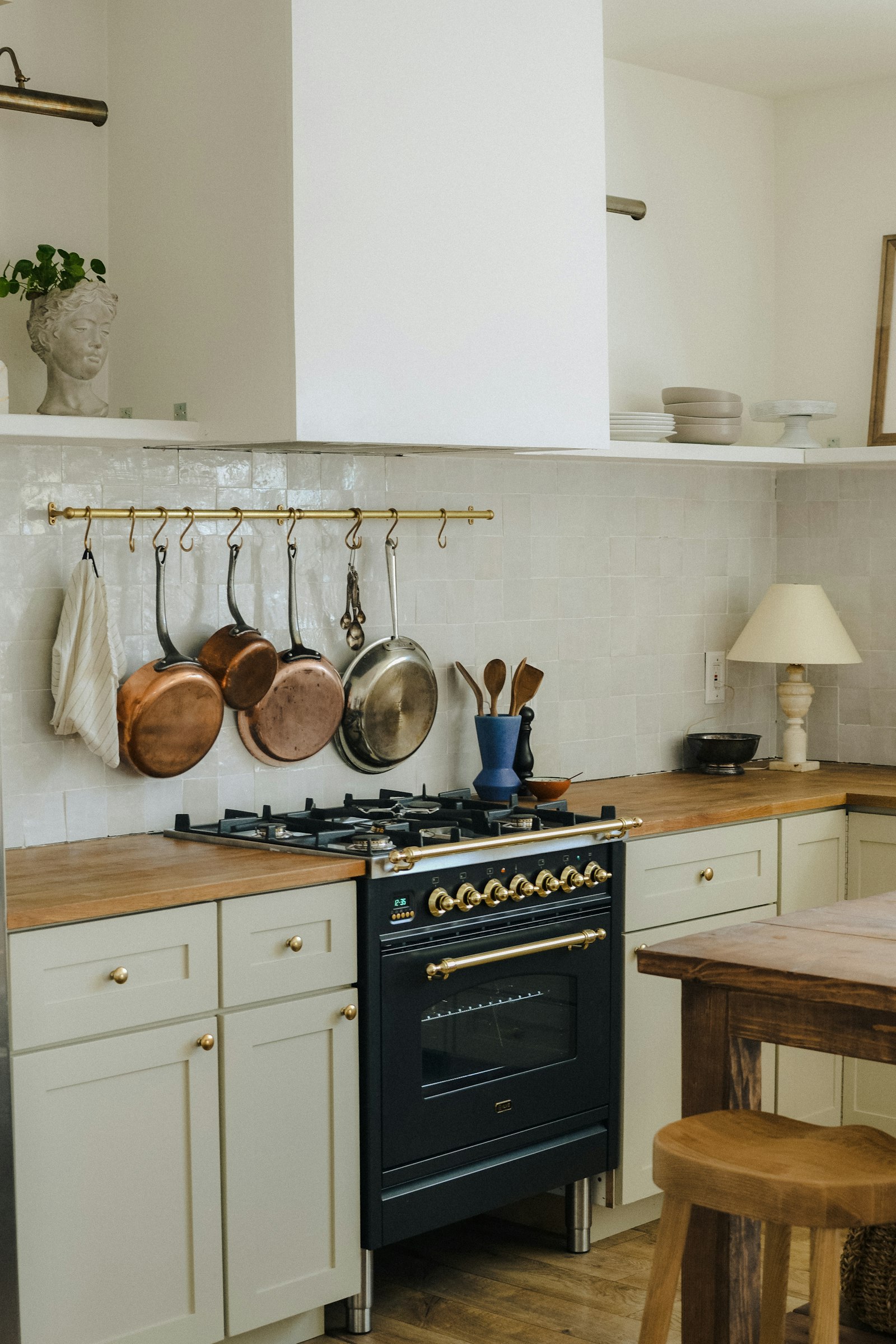
What North Carolina’s environment does to a Frigidaire
North Carolina runs from the salt-air Outer Banks to the high Blue Ridge, and a Frigidaire kitchen feels the whole gradient. Coastal humidity keeps FFGF gas igniter ports damp toward continuous clicking, while the dry mountain air near Asheville hardens door gaskets and can affect how a gas burner runs. The Research Triangle and Charlotte run fast-growing suburbs full of Frigidaire kitchens with FCRE ranges and FFID dishwashers, so service varies from coastal igniter work to mountain gasket service.
Where we work across North Carolina
We dispatch experienced technicians to metro areas including Charlotte, Raleigh. Rural North Carolina addresses are not an afterthought: they sit on a planned rotation, and the technician arrives carrying the parts the problem most likely needs. Our network covers all 50 states and the District of Columbia, the dispatch desk answers around the clock, and the standard response window is 24 to 48 hours.
Frigidaire appliances covered by Frigidaire repair North Carolina
From the FFTR refrigerators to the FFID dishwashers and the FFTW washers, we cover the entire Frigidaire range:
- Washers — Frigidaire FFTW and FFFW washers — front-load models serviced from the E-code mapping (E11/E13 fill, E21/E23 drain, E41-E43 door lock, EF1/EF2 filter/suds) shown on the display; top-load units are largely symptom-led
- Dryers — Frigidaire FFRE and FFRG dryers — electronic-display models reading E-codes such as E64 or E66, with restricted airflow diagnosed as a clogged-vent symptom (clothes damp, long cycles)
- Ranges — freestanding Frigidaire ranges in electric (FCRE) and sealed-burner gas (FFGF) with Air Fry and Steam Clean self-clean — serviced from the oven F-code set (F10, F30, F90) and from ignition symptoms on the sealed gas burners, which carry no code
- Wall Ovens — single (FFEW) and double (FFET) electric Frigidaire wall ovens with Air Fry and Steam Clean — serviced from the F30/F31 sensor and F90/F91 door-lock codes (these are electric, thermal ovens)
- Cooktops — Frigidaire FFEC, FFGC and FFIC cooktops (electric, gas and induction) — symptom-led work covering a burner that clicks without lighting, a radiant element stuck on or off, and an induction zone that will not recognize compatible cookware
- Dishwashers — Frigidaire FFID, FGID and GDPH dishwashers with the filter and OrbitClean spray arm and EvenDry — serviced from the “i” code set (i10 fill, i20/i40 drain, i30 leak/float, iC0 communication), shown on the display or LED indicators
- Refrigerators — Frigidaire FFTR, FRFG and FFSS refrigerators built around PureAir air management, the in-door ice and water dispenser and PureSource filtration — serviced from cooling, ice and water symptoms, plus the PF, dF and SY EF display alerts
- Freezers — FFFU upright and FFFC chest freezers with Frost-Free operation, SpaceWise shelving and a door-ajar alarm — dial or simple-control units, so every not-freezing, frost or running-constantly problem is diagnosed by symptom
- Ice Makers — EFIC countertop/portable and FGIC undercounter ice makers with clear-ice production and a self-cleaning cycle — diagnosed by symptom (no ice, slow ice, leaking, fill-valve failures) since the residential units carry no consumer problem display
- Ice Machines — Frigidaire residential ice making — the 15-inch FGIC undercounter unit and EFIC countertop ice makers — serviced by symptom (no ice, slow harvest, supply and drain problems); Frigidaire builds residential ice makers rather than standalone commercial ice machines
- Wine Coolers — Frigidaire FFWC and FGWC wine coolers — symptom-led work covering a cooler that will not hold temperature, compressor or fan noise, failed LED lighting and door-seal issues (electronic models show F1/F2/F3 or HH/LL)
- Trash Compactors — older Frigidaire TC and TCU compactors (discontinued, parts-only) — serviced by symptom alone (won’t start, motor runs but won’t compact, ram stuck, drawer jammed) since they carry no error codes
Recurring North Carolina problems
In North Carolina homes, the bulk of our work involves coastal ignition, mountain gaskets and altitude burners. The typical North Carolina week starts with a burner. Moisture or debris in a FFGF port produces the continuous clicking that owners find hardest to ignore, and a dry-out or a clean-out usually settles it, because the burners carry no code. Then the ovens: F30 and F31 on the sensor, F90 on the self-clean door lock, and F10, the temperature runaway that means disconnect the power and stop using the appliance. Then the water appliances: i40 and i20 on a FFID dishwasher, E11 and E21 on a washer, E64 or a blocked vent on a dryer. And finally the cold ones — PF, SY EF, SY CE, or a freezer with no code at all.
Error codes and symptoms explained
North Carolina customers deserve the real code, not a plausible one. Frigidaire ranges and wall ovens produce F1, F11, F30/F31, F90/F91 and the safety-critical F10 temperature runaway, which calls for disconnecting the power. Dishwashers produce the i-code set, washers E11/E21/E41/EF1, dryers E64 and E24/E25, and refrigerators the PF, SY EF and SY CE display alerts, where the S renders as a 5. Gas burners, cooktops, freezers and compactors produce none, and we say so rather than inventing something. Our error-code library is the reference we work from.
Maintenance advice for North Carolina
The North Carolina owners who never see us are the ones who keep the routine short and regular. A little upkeep goes a long way in North Carolina: keep the gas burner ports and igniters dry and clear so continuous clicking never starts, rinse the dishwasher filter and OrbitClean spray arm, clear the dryer vent end to end, wipe the door gaskets, and change the refrigerator water filter on schedule. The habits that keep a Frigidaire out of trouble in North Carolina are simple: dry burner ports, a clean dishwasher filter and OrbitClean spray arm, a clear dryer vent, sealed door gaskets, and a water filter changed on schedule. Anything that repeats — a code, a click, a cold oven — is worth a technician.
Booking and pricing in North Carolina
Across North Carolina the pricing rule is simple: diagnose, write it down, then repair. In North Carolina the diagnostic call is from $89, and the repair figure is set at the appliance once the problem has been read, then confirmed in writing before a single screw comes out. In North Carolina the parts we fit are genuine OEM, and our labor comes with a 30-day labor warranty. North Carolina bookings go through our online scheduling form; the repair services page sets out what we handle, and the manufacturer’s site at frigidaire.com carries the manufacturer detail.