This frigidaire cooktop buying guide is built to help you choose between the three surface types Frigidaire offers — radiant ceramic glass, sealed-burner gas, and induction — without the marketing noise. Each suits a different cook, kitchen, and budget, and the right pick comes down to how you cook, what fuel your kitchen supports, and which features actually matter to you.
Before comparing models, confirm the basics: your cutout width (Frigidaire builds 30-inch and 36-inch tops), the fuel available (gas needs a line, induction and radiant need a 240-volt circuit), and the cookware you own.
Using this frigidaire cooktop buying guide by surface type
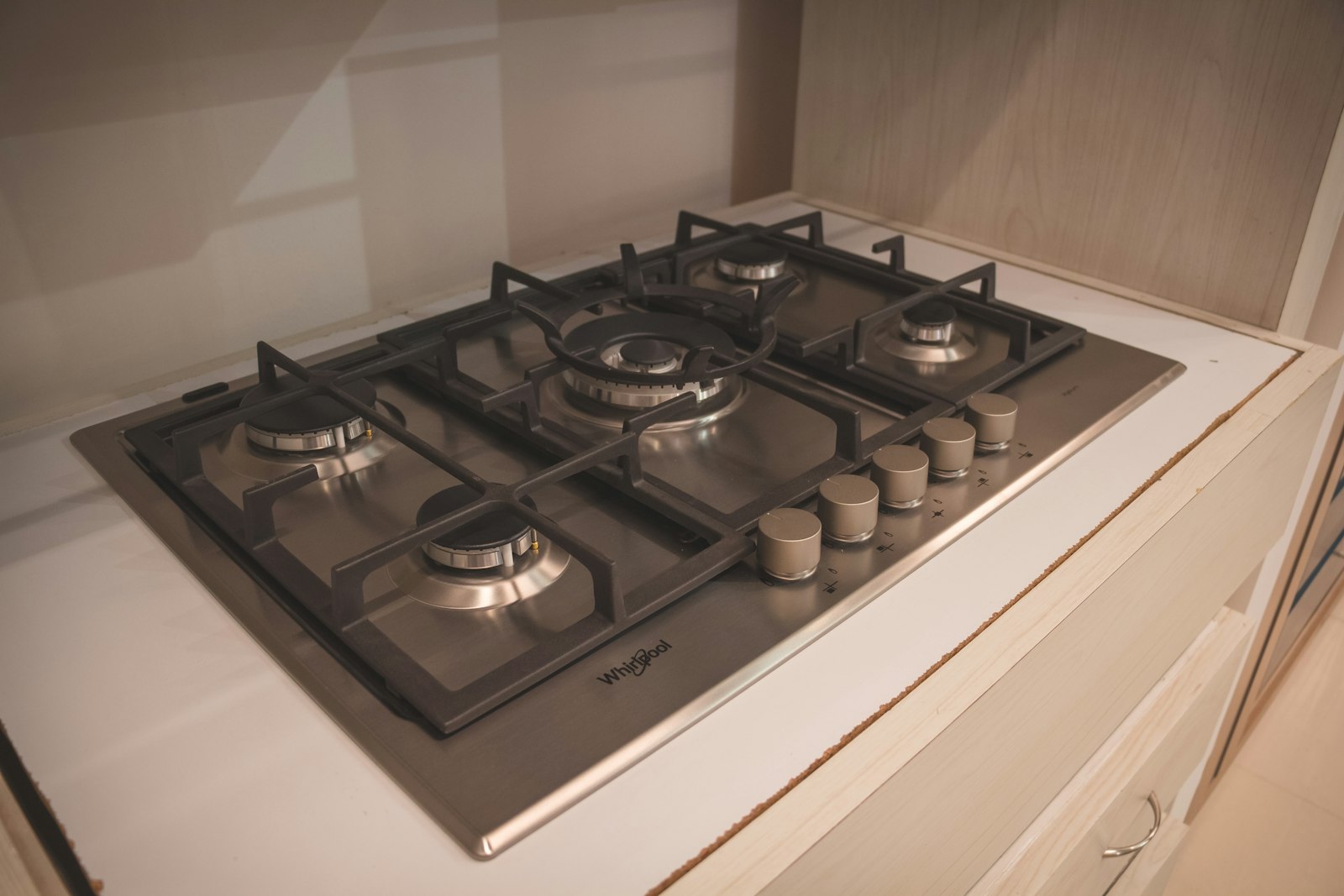
Radiant glass (the FFEC and FGEC families) is the value choice: a smooth, easy-to-clean ceramic surface with SpaceWise expandable elements that size the heat to the pan, a Quick Boil element, and a Hot-Surface Indicator. It works with any flat cookware. Gas (the FFGC and FGGC families) gives instant, visible flame control, sealed burners with continuous cast-iron grates, and a high-BTU Quick Boil burner — the choice many cooks prefer for responsiveness. Induction (the FFIC and GCCI families) is the fastest and most efficient, heating the pan directly so the surface stays cooler and safer, with Auto Sizing pan detection, a Bridge Element on some models, and precise touch control — but it requires magnetic, ferrous cookware.
Features worth paying for
- SpaceWise expandable elements: match a single burner to a small pot or a large one.
- Bridge Element: links two zones for a griddle or oversized pan on induction and some radiant tops.
- Express-Select / Ready-Select controls: direct heat-level selection instead of cycling up and down.
- Quick Boil: a high-output element or burner that shortens the wait for a rolling boil.
- Hot-Surface Indicator and control lock: safety features that matter in busy or child-present kitchens.
Think about cookware before you commit to induction: a quick magnet test on your pans tells you whether they will work. If a magnet does not stick, factor in new cookware. For a sense of running repairs over a cooktop’s life, our cooktop repair cost guide breaks down which parts cost what.
Width, finish, and installation
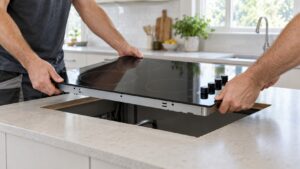
Beyond the surface type, two practical details shape your shortlist. Width comes first: a 30-inch cooktop suits most kitchens, while a 36-inch model adds a fifth burner or element for serious cooking but needs a wider cutout, so measure your counter opening before you fall for a model. Finish and controls come next — black or stainless trim, knob versus glass-touch Express-Select controls, and front-mounted versus top-mounted knobs all change the look and the cleaning routine. Confirm, too, that your existing circuit or gas line matches the new unit so installation does not turn into an electrical or plumbing project.
Matching the cooktop to your kitchen
Pick gas if you cook with high heat and value flame feedback and have a gas line. Pick induction if speed, efficiency, and a cooler, safer surface top your list and you are willing to use compatible cookware. Pick radiant if you want the lowest entry price and the simplest installation on an existing 240-volt circuit. Browse the current lineup on our Frigidaire cooktop models pages to compare widths and finishes side by side. Take your time here, because a cooktop is a long-lived appliance and the surface type you choose will shape how you cook for the next decade or more.
Buying and installation help
Once you have chosen, our experienced, independent technicians install and service Frigidaire cooktops with genuine OEM parts and a 30-day labor warranty on the work. Schedule a visit, see our cooktop repair service, or compare specifications at frigidaire.com.