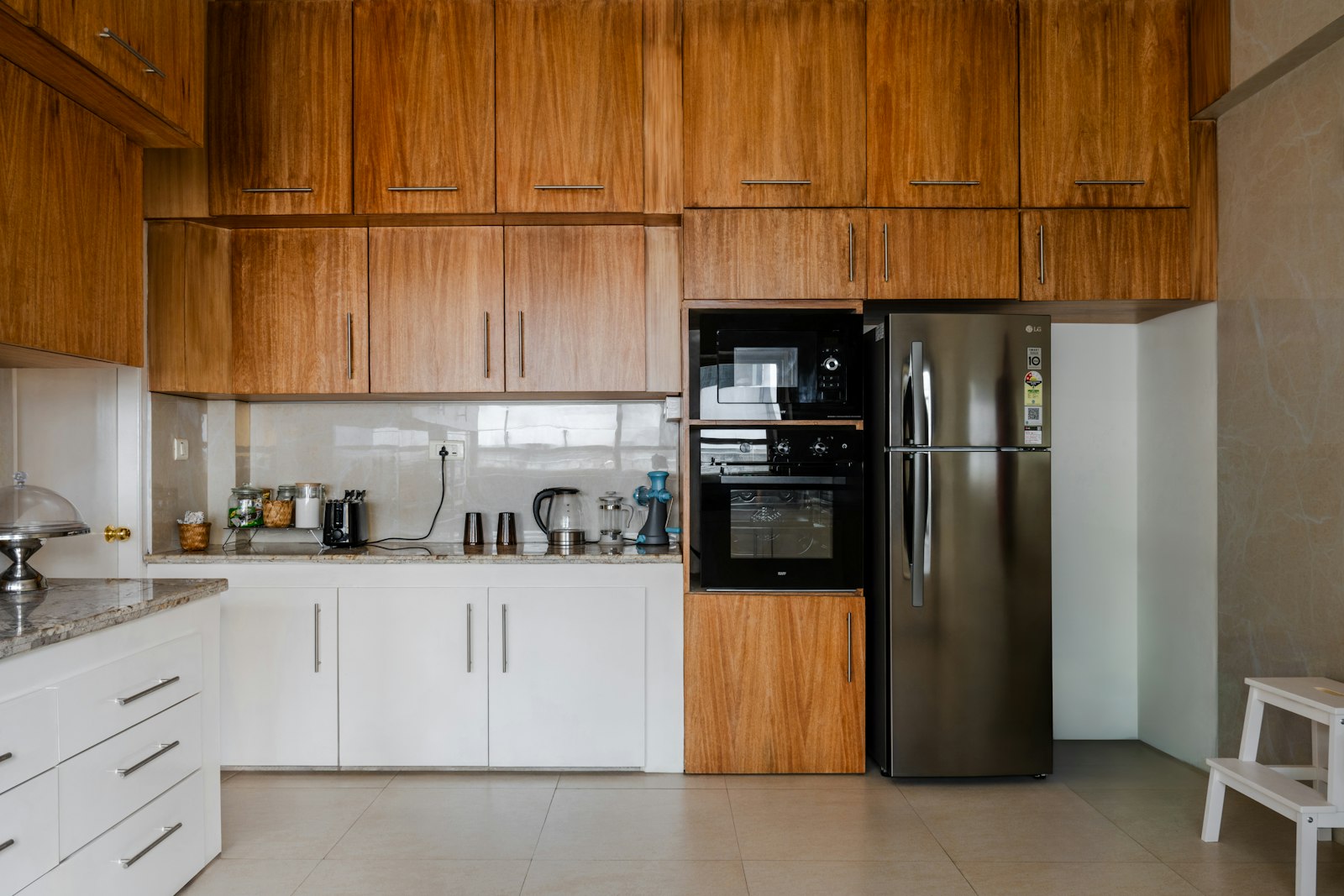
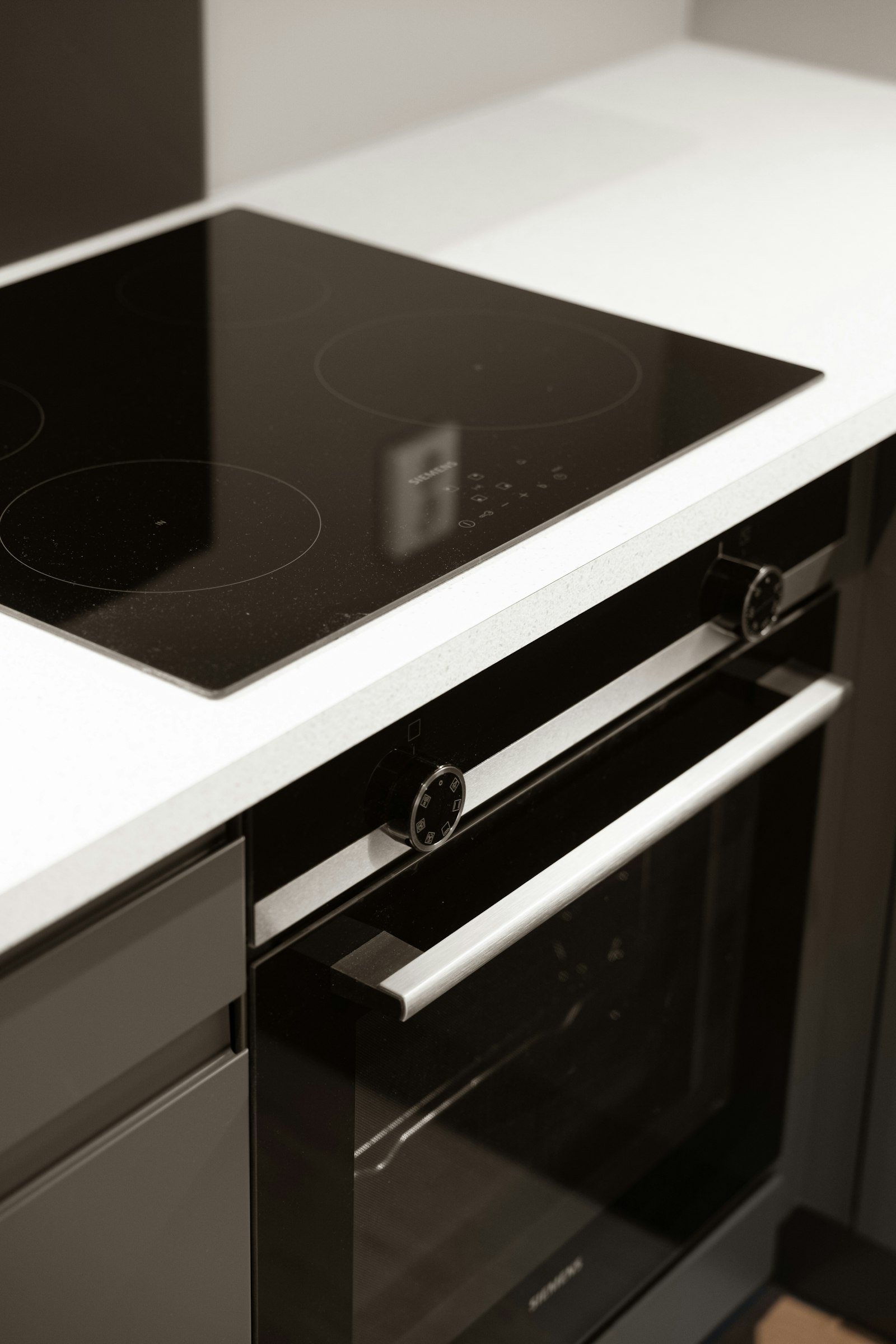
The frigidaire oven f30 code is one of the more common wall-oven problems and, helpfully, one of the more straightforward to diagnose. F30 means the oven temperature sensor circuit reads open — the control has lost its temperature reading from the RTD sensor that monitors the cavity. Without that reading the oven cannot regulate heat, so it either will not heat correctly or shuts the bake function down.
Because F30 points squarely at the sensor and its wiring rather than the heating elements or the board, the diagnosis stays focused, and the repair is one of the more accessible oven jobs.
What the frigidaire oven f30 code is telling you
A Frigidaire wall oven uses an RTD (resistance temperature detector) sensor — a probe that reaches into the back of the cavity and changes resistance with temperature. The Electronic Oven Control reads that resistance to know how hot the oven is. F30 fires when the control sees the circuit as open, which happens if the sensor has failed, a connector has come loose, or the wiring between the sensor and the board is broken. The companion code F31 is the opposite, a shorted sensor circuit, and is repaired the same way.
First steps you can take
- Try a power reset: switch the oven off at the breaker for a minute, restore power, and see whether F30 returns. A one-off glitch may not come back.
- If the oven is still warm, let it cool, then check whether the code clears once it returns to room temperature.
- Note whether the oven will heat at all, or whether it heats then quits — both fit a sensor failure.
- Avoid running the oven for cooking while F30 is active, since the temperature is not being regulated.
If F30 returns after a reset, the sensor or its connection has genuinely failed and the next step is testing the part rather than resetting again.
How the RTD sensor is tested and replaced
The RTD sensor should read roughly 1080 to 1100 ohms at room temperature; a reading far from that, or an open circuit, confirms the sensor or its wiring as the problem. Replacing it usually means removing a couple of screws holding the sensor at the back of the cavity, disconnecting it, and fitting a genuine OEM sensor, then checking the connector that joins it to the wiring harness. It is one of the more accessible oven repairs, but it involves working at the rear of the cavity and confirming the connection, so many owners prefer a technician to verify the diagnosis. Our Frigidaire oven error-code guides cover F30 alongside F31 and the F90 latch codes.
When the code is not really the sensor
Occasionally F30 traces to the control board or the harness rather than the sensor — for instance if a new sensor still reports open. If the oven also will not heat with no code, work through our guide on a Frigidaire oven not heating first, since that covers the elements and settings as well. And if you ever see F10 rather than F30, treat it as the urgent runaway problem, not a sensor problem.
Because the RTD sensor is one of the more accessible oven parts, an F30 repair is usually quick once the diagnosis is confirmed, and it tends to sit at the affordable end of oven problems. Catching it early also spares your cooking, since an oven running without a reliable temperature reading can scorch or undercook without warning. If the code appears intermittently, note when it shows, hot or cold, as that timing helps the technician zero in on the sensor or its connector.
Book Frigidaire oven service
If F30 keeps returning, our experienced, independent technicians repair Frigidaire wall ovens with genuine OEM parts and a 30-day labor warranty. Schedule a visit, see our oven repair service, or confirm your model details at frigidaire.com.