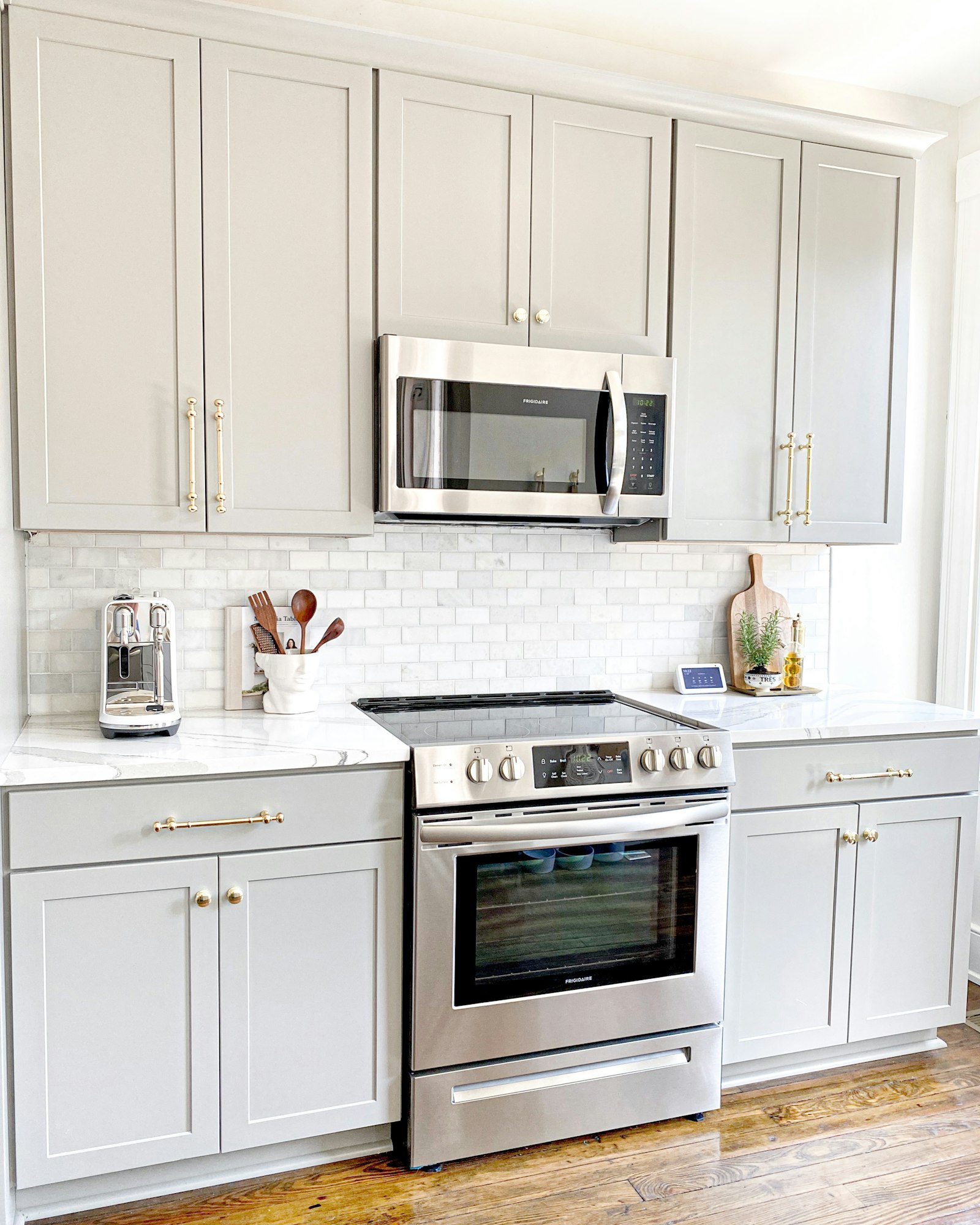
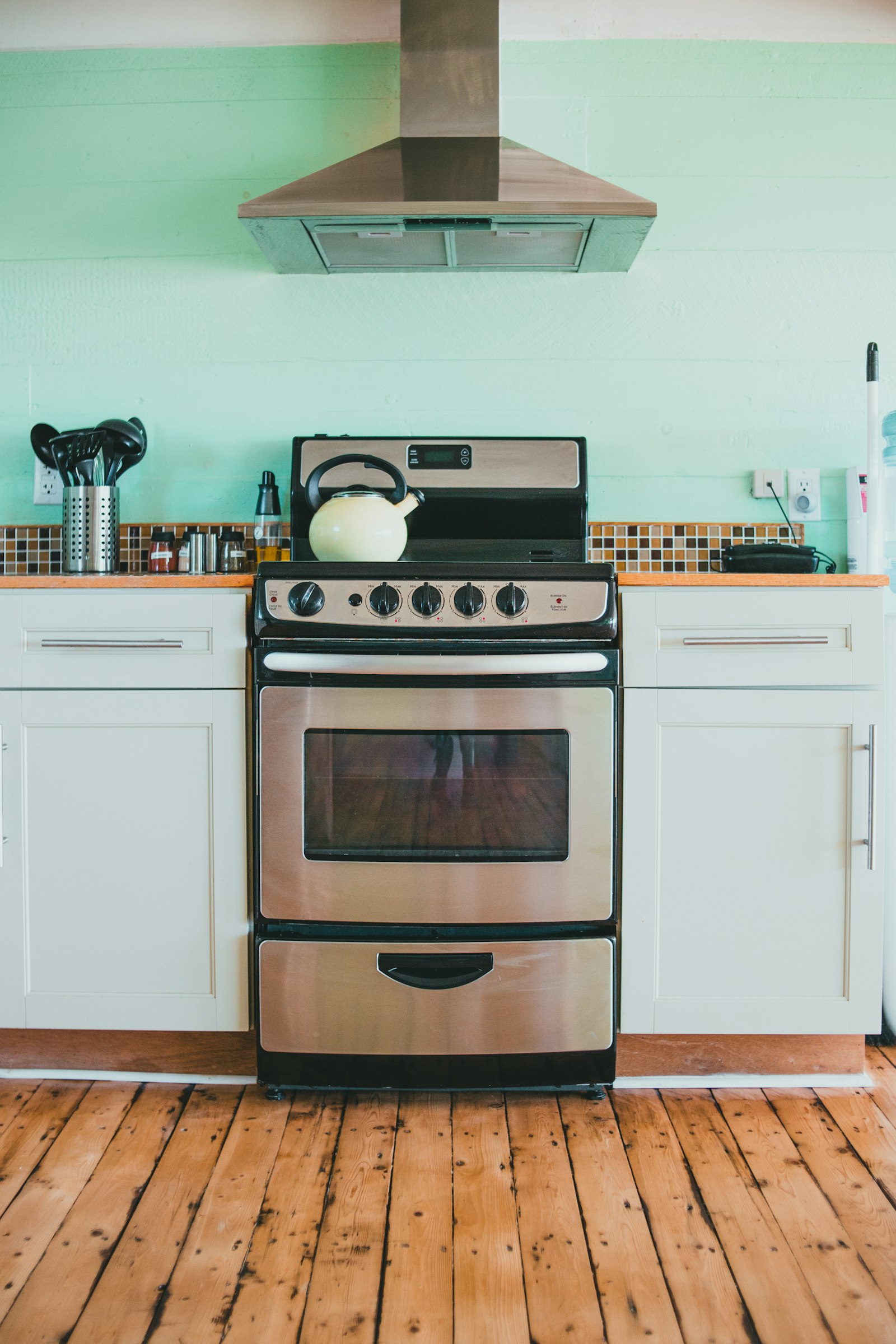
Used the right way, the frigidaire range self clean feature takes the worst job in the kitchen off your hands — but it pays to know how it works and how to avoid the few pitfalls that turn a clean cycle into a service call. Most Frigidaire ranges offer two approaches: a high-heat Self-Clean that incinerates baked-on soil to ash, and a gentler Steam Clean that uses water and lower heat for lighter messes. Choosing the right one for the job is the first tip.
These cycles are simple to run, but the high-heat Self-Clean in particular asks for a little preparation and patience.
Getting the most from frigidaire range self clean
- Pick the right cycle. Use Steam Clean for light, fresh spills; save the high-heat Self-Clean for heavy, baked-on buildup. Steam Clean is faster and runs cooler.
- Remove the racks for Self-Clean. The extreme heat can discolor and dull the racks and damage their glide coating. Most Steam Clean cycles let you leave them in — check your manual.
- Wipe out loose debris first. Scrape out crumbs and large spills so there is less to burn off and less smoke.
- Ventilate the kitchen. Self-Clean produces heat, odor, and some smoke. Open a window, run the hood, and keep pets, especially birds, well clear.
- Run it when you have time. A full Self-Clean can take several hours including the cool-down before the door unlocks.
When the cycle finishes and the oven cools, the door unlocks on its own and you simply wipe out the fine ash with a damp cloth.
Avoid the mistakes that trip an error code
The most common Self-Clean trouble is forcing the locked door. During and just after the cycle the motorized latch holds the door shut for safety, and trying to wrench it open can damage the latch and trip an F90 or F91 door-lock code. Let the cycle and cool-down finish so the latch releases normally. Running Self-Clean too often also stresses the oven and its sensor, so reserve the high-heat cycle for when it is genuinely needed. If a latch code does appear, our Frigidaire range error-code guides explain it.
Keep the rest of the oven looking new
Between deep cycles, wipe the cooktop and door glass with a non-abrasive cleaner, clean spills promptly before they bake on, and keep the door gasket clear so it seals. A little routine care means you rarely need the long Self-Clean at all, and the oven holds heat and looks better for it. For more on keeping oven temperatures accurate after heavy cleaning, see our guide on oven temperature calibration.
A few extra habits keep the oven cavity in good shape between cycles. Use a damp cloth or a soft sponge rather than abrasive pads or harsh chemical cleaners inside the oven, which can scratch the interior coating and leave residues that smoke on the next bake. Avoid spraying commercial oven cleaner on or near the door gasket, the heating elements, or the temperature sensor, since those parts are not meant to be coated and can be damaged. If a heavy spill happens mid-bake, let the oven cool and wipe it before it carbonizes, so you rarely need the long high-heat cycle at all. After any Self-Clean, give the oven a quick thermometer check, because the extreme heat can occasionally nudge the calibration.
Book Frigidaire range service
If a clean cycle leaves a stuck door or a problem behind, our experienced, independent technicians repair Frigidaire ranges with genuine OEM parts and a 30-day labor warranty. Schedule a visit, see our range repair service, or confirm your model details at frigidaire.com.