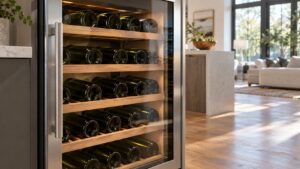
A frigidaire wine cooler not cooling to its set temperature puts your bottles at risk, but the cause is usually something simple about where and how the unit is running rather than a dead appliance. A Frigidaire wine cooler is a refrigerated cabinet for wine and beverages, and like any refrigeration unit it depends on a cool enough room, free airflow, and a good door seal to hold its adjustable temperature zones.
Dial-controlled models give no codes at all, so you diagnose them purely by symptom. Electronic models add a small display that can show a problem, which we cover below.
Why a frigidaire wine cooler not cooling happens
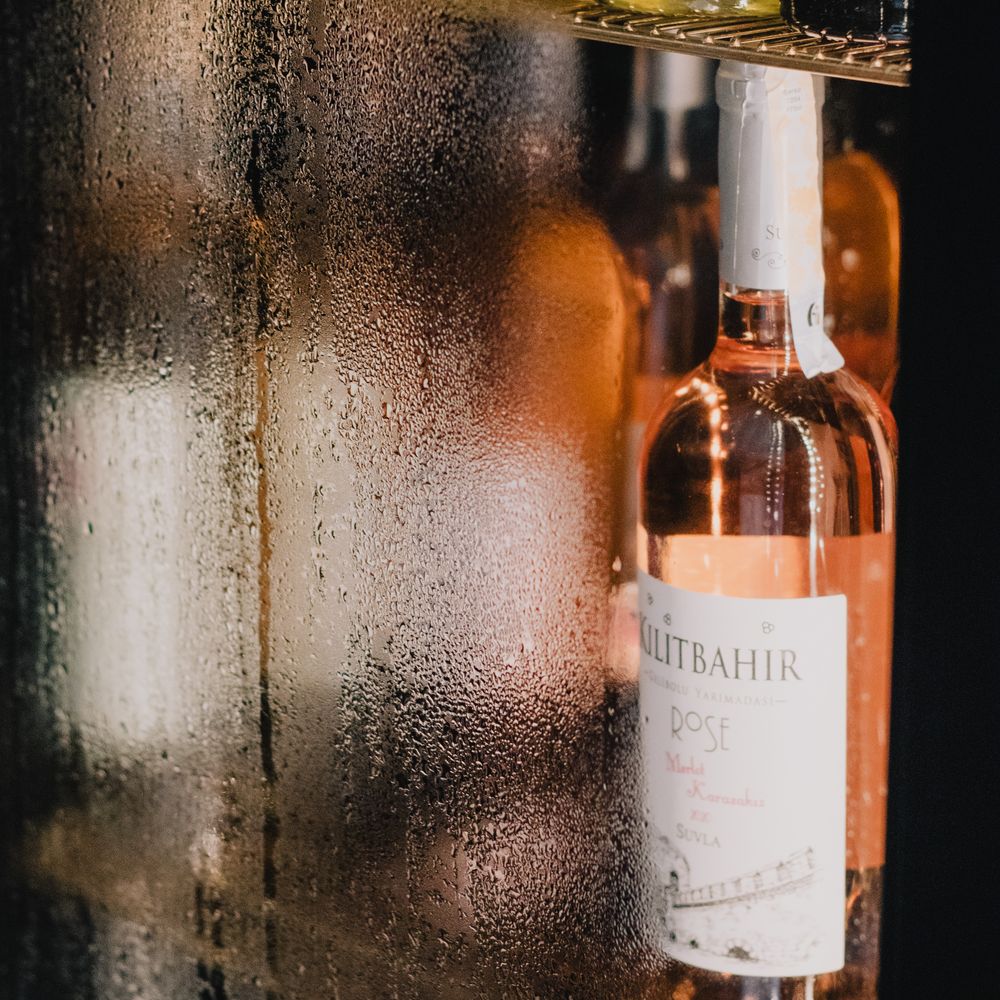
Wine coolers are built to maintain a relatively warm 45 to 65 F, not deep refrigeration, and they have limited cooling headroom. Put one in a hot room, a sunny spot, or a tight cabinet with no ventilation and it simply cannot keep up. A door gasket that no longer seals, the UV-tinted glass door left ajar, or a unit packed so full that air cannot circulate around the wire shelving all rob it of cooling. On thermoelectric models especially, performance drops sharply when the surrounding room is too warm.
First checks you can do
- Check the room temperature. Most wine coolers need an ambient below about 77 F to hold their set point; a hot garage or kitchen corner defeats them.
- Confirm ventilation clearance around the cabinet, especially at the rear vent and any front grille, so heat can escape.
- Inspect and clean the door gasket, and make sure the UV-tinted glass door closes fully and squarely.
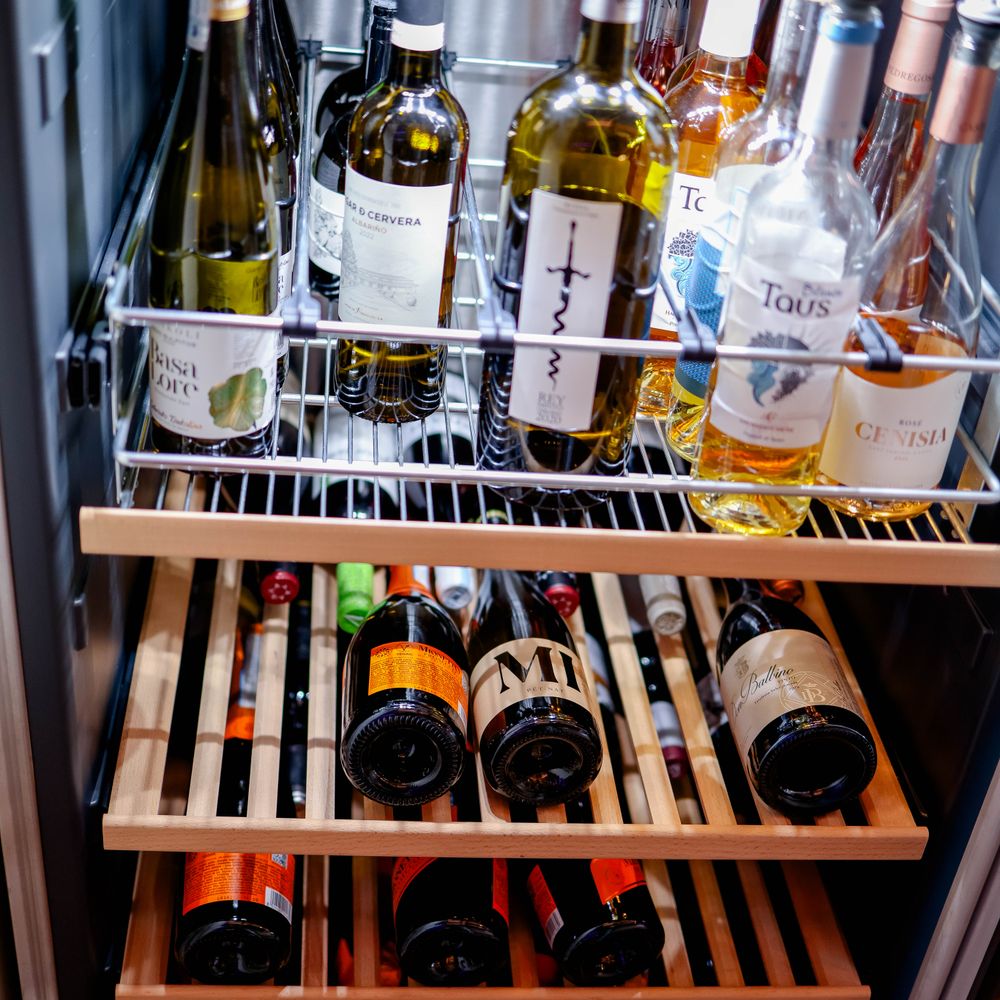
- Avoid overpacking; leave space around the bottles for air to move across the wire shelves.
- Verify the temperature setting and give the unit 24 hours to stabilize after any change before judging it.
Address the environment and the seal first, since those resolve a large share of weak-cooling complaints. If the display is showing an error code, read it alongside our guide on Frigidaire wine cooler temperature problems.
What the F1 and HH alerts mean
Electronic Frigidaire wine coolers can show a small set of alerts. An F1 means the compressor has run for an unusually long stretch without reaching the set point — point to a hot room, a dirty condenser, or a sealed-system issue. An HH indicates the interior is above the set range, often from a door left ajar, an overload of room-temperature bottles, or weak cooling. These are not the multi-character codes other appliances use, and an HH frequently clears once the door seals and the cabinet catches up. A persistent F1 with a clean condenser and a cool room points to the sealed system.
Clean the condenser and confirm the load
Two easy factors quietly throttle a wine cooler’s cooling. The first is a dusty condenser: on a compressor model, a coil or rear grille caked with dust traps heat and makes the unit run constantly without ever reaching the set point, so brushing or vacuuming it clean often restores normal cooling on its own. The second is the load itself — filling the cabinet with bottles straight from a warm store dumps a lot of heat inside at once, and the cooler can take a full day or more to pull them all down. Let a big new batch settle before deciding the unit has a problem.
When to call a technician
If the room is cool, the vents are clear, and the door seals but the cabinet still will not cool, the problem is usually a failed compressor or fan, a thermoelectric module, or a refrigerant leak — and sealed-system work is technician-only by law. Compare your unit against current Frigidaire wine cooler models before booking. Our experienced, independent technicians repair Frigidaire wine coolers with genuine OEM parts and a 30-day labor warranty.
Book Frigidaire wine cooler service
If these steps do not resolve it, schedule a visit, see what our wine cooler repair service covers, or confirm your model details at frigidaire.com.