
Understanding how a frigidaire ice machine works clears up most of the worries owners have, because once you can picture the cycle, the indicator lights and the common problems make sense. The first thing to know is what the product actually is: Frigidaire does not make a commercial ice machine. Its ice products are self-contained portable and countertop ice makers plus the FGIC3600 undercounter unit, and they all share the same simple working principle.
None of it is complicated, and seeing the steps in order tells you exactly where to look when something goes wrong.
How a frigidaire ice machine works, step by step
The cycle on a portable or undercounter Frigidaire ice maker runs like this:
- Water reservoir. You fill a reservoir by hand on countertop units, or it fills automatically from a water line on the undercounter FGIC3600.
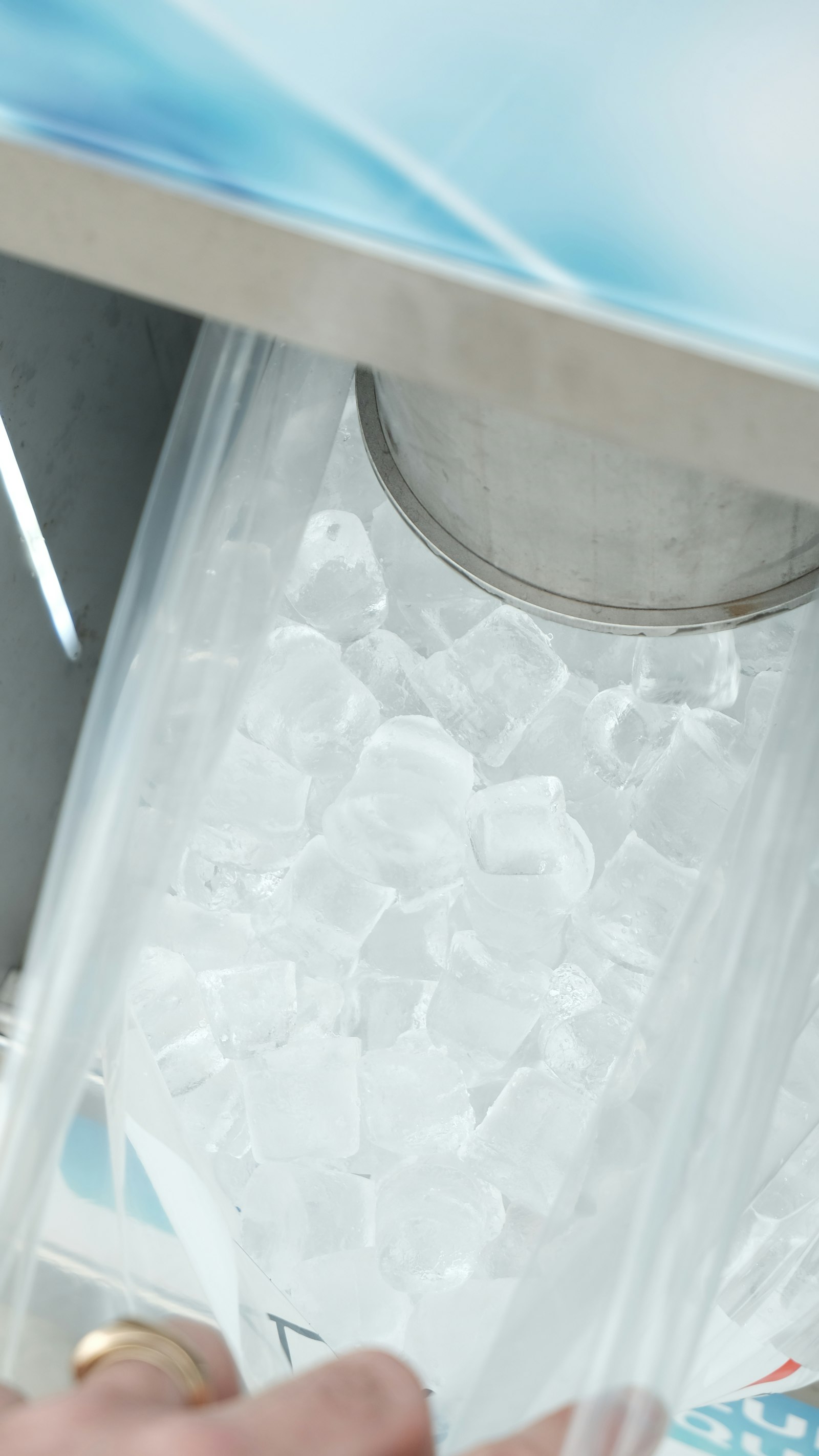
- Pump and evaporator. A small pump lifts water from the reservoir and bathes a chilled metal evaporator — either a set of prongs or a plate cooled by the compressor.
- Freeze. Over a set window, a layer of ice builds on the cold surface as the water keeps circulating.
- Harvest. The unit briefly warms the evaporator so the finished ice releases and drops into the storage bin below.
- Repeat. The maker draws fresh water and starts the next batch until the bin fills.
The indicator lights, not error codes
These units do not have a digital error-code system. They communicate with two simple lights. The Add Water light comes on when the reservoir is low or the pump cannot prime, telling you to refill. The Ice Full light comes on when a sensor reads the bin as full, pausing production so it does not overflow. Knowing this saves a lot of confusion: there is no code to decode, just water and bin status. Our guides on a Frigidaire ice machine not making ice and the Ice Full light walk through each one.
Worth knowing is that the countertop and portable models in this range are produced for Frigidaire under license as compact standalone makers, while the FGIC3600 is the one undercounter unit that plumbs in like a built-in appliance. The working cycle above is the same for both; the only real difference is that the undercounter model fills and drains automatically through a water line rather than from a reservoir you top up by hand, and it holds a larger bin.
What the design means for keeping it running
Because the same water recirculates until it freezes, water quality drives nearly everything. Scale and biofilm collect on the evaporator and in the pump, slowing the freeze and tainting the taste, which is why regular descaling matters so much. The storage bin keeps ice cold but is not a freezer, so cubes slowly melt and refreeze if left, which is why an idle bin is best emptied. And because the unit vents compressor heat, it needs clearance and a cool spot to work efficiently.
Where problems show up
Map a problem to the cycle and the fix becomes obvious. No water reaching the evaporator points at the reservoir or pump. Small or slow ice points at scale, warm surroundings, or low water. Leaks point at overfilling, level, or the bin drain. A persistent Ice Full light points at the bin sensor. The only jobs that call for a technician are internal: a failed pump, a cooling problem, or sealed-system work that is technician-only by law. You can compare current units on our Frigidaire ice maker models pages.
Book Frigidaire ice machine service
If your unit needs a hands-on diagnosis, our experienced, independent technicians service Frigidaire ice units with genuine OEM parts and a 30-day labor warranty. Schedule a visit, see what our ice machine repair service covers, or confirm your model details at frigidaire.com.